Dec 06, 2023
Exploring the Power of Typography in Modern Graphic Design
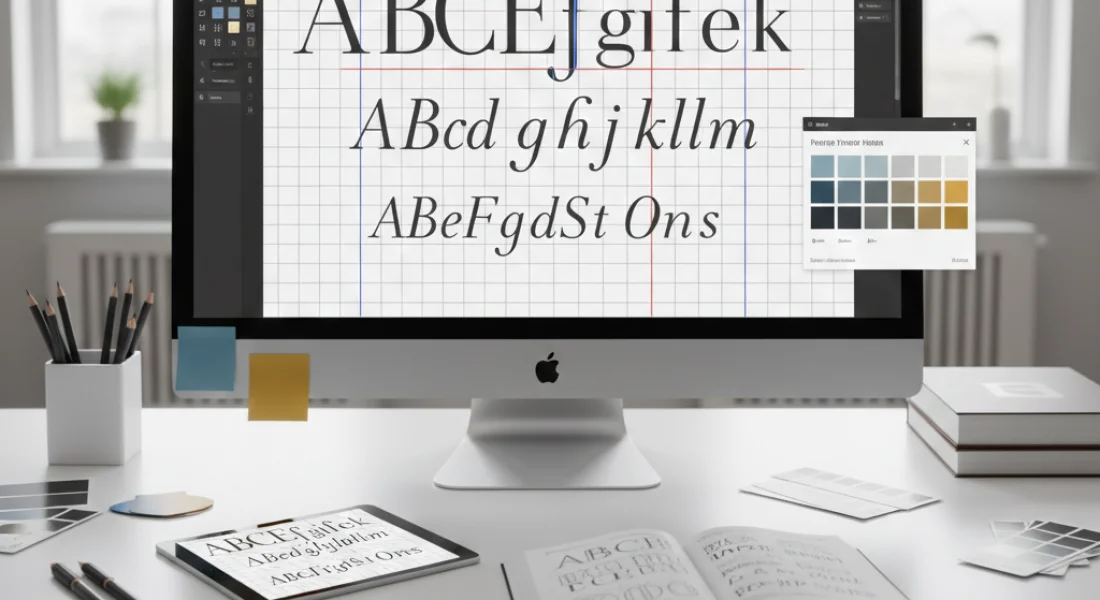
Typography is a fundamental element of graphic design, shaping how information is presented and perceived. In this exploration, we delve into the transformative power of typography in modern graphic design, examining its influence on visual communication and user experience.
1. The Art of Typeface Selection
The choice of typeface sets the tone for a design. Whether it's a classic serif, a sleek sans-serif, or an expressive script, the typeface communicates the brand personality and enhances the overall visual appeal.

2. Creating Visual Hierarchy
Typography establishes a visual hierarchy, guiding the viewer through the content. Headings, subheadings, and body text should work in harmony to direct attention and emphasize key information. Strategic use of font size, weight, and color contributes to an effective hierarchy.

3. Expressing Emotion Through Fonts
Fonts carry emotion and personality. The curvature of letters, the spacing between characters, and the overall style evoke specific feelings. Whether it's a playful script for a youth-oriented brand or a bold sans-serif for a corporate identity, the right font choice conveys the intended emotion.

4. Pairing Fonts for Harmony
Combining fonts requires finesse. Thoughtful font pairing creates a harmonious design, ensuring that different typefaces complement rather than compete. Balance between contrast and similarity is key to an aesthetically pleasing composition.

5. Enhancing Readability and Accessibility
Typography significantly influences readability and accessibility. Proper font size, line spacing, and contrast impact how easily users can consume information. Inclusive design considers diverse audiences and ensures legibility for everyone.

Conclusion
Typography stands as a powerful tool in the arsenal of graphic designers, shaping the narrative and visual identity of brands. By understanding the art of typeface selection, creating visual hierarchy, expressing emotion, pairing fonts harmoniously, and prioritizing readability, designers can harness the full potential of typography in modern graphic design.